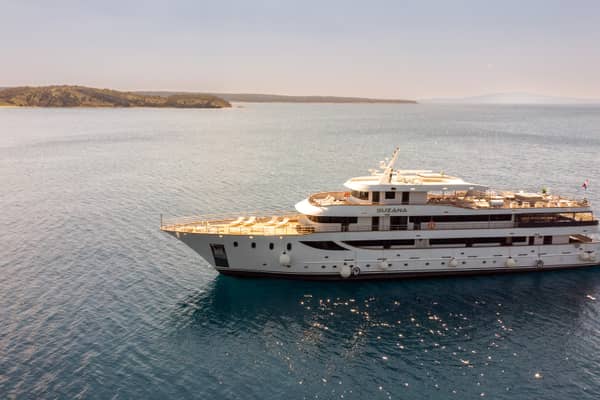
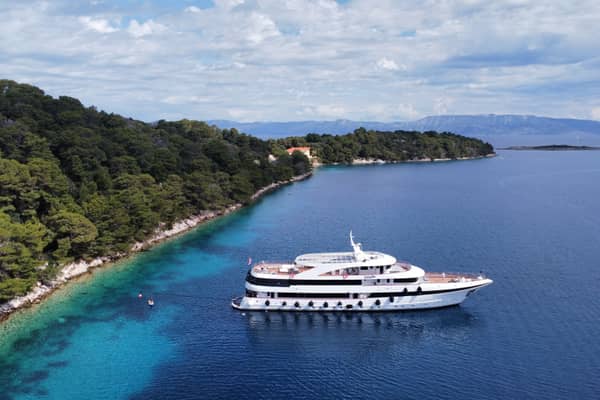
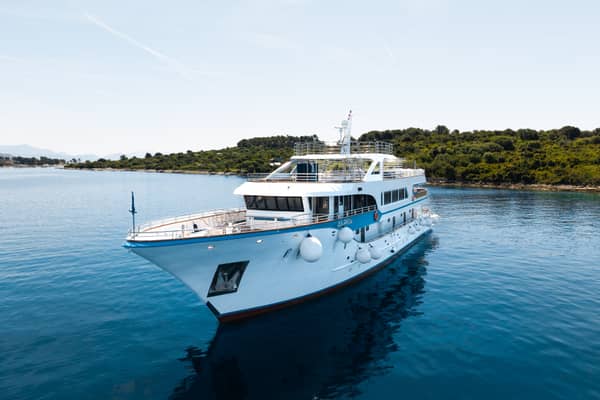
Sail away to an exclusive 
Croatia cruise vacation

Treat yourself to an unforgettable vacation

with Croatia small ship cruises.

Find your perfect voyage

Whether by land or sea, experience travel at its finest.
Choose your perfect journey and let us take care of the rest

cruise in style

Featured Croatia Cruises

Sail the stunning Adriatic on a journey that suits you. Cruise from Split to Dubrovnik or from Dubrovnik to Split and experience the best of the coast in style.

View all

Indulge with our premium service and themed cruises

Discover a new way to cruise with our premium service and carefully curated experiences. From private getaways to unique themed voyages, we ensure every journey is unforgettable.

  • Private charters
  • Yoga cruises
  • LGBTQ cruises
  • Food and Wine – Gastro cruises
Explore more
cruise in style

Featured Land Tours

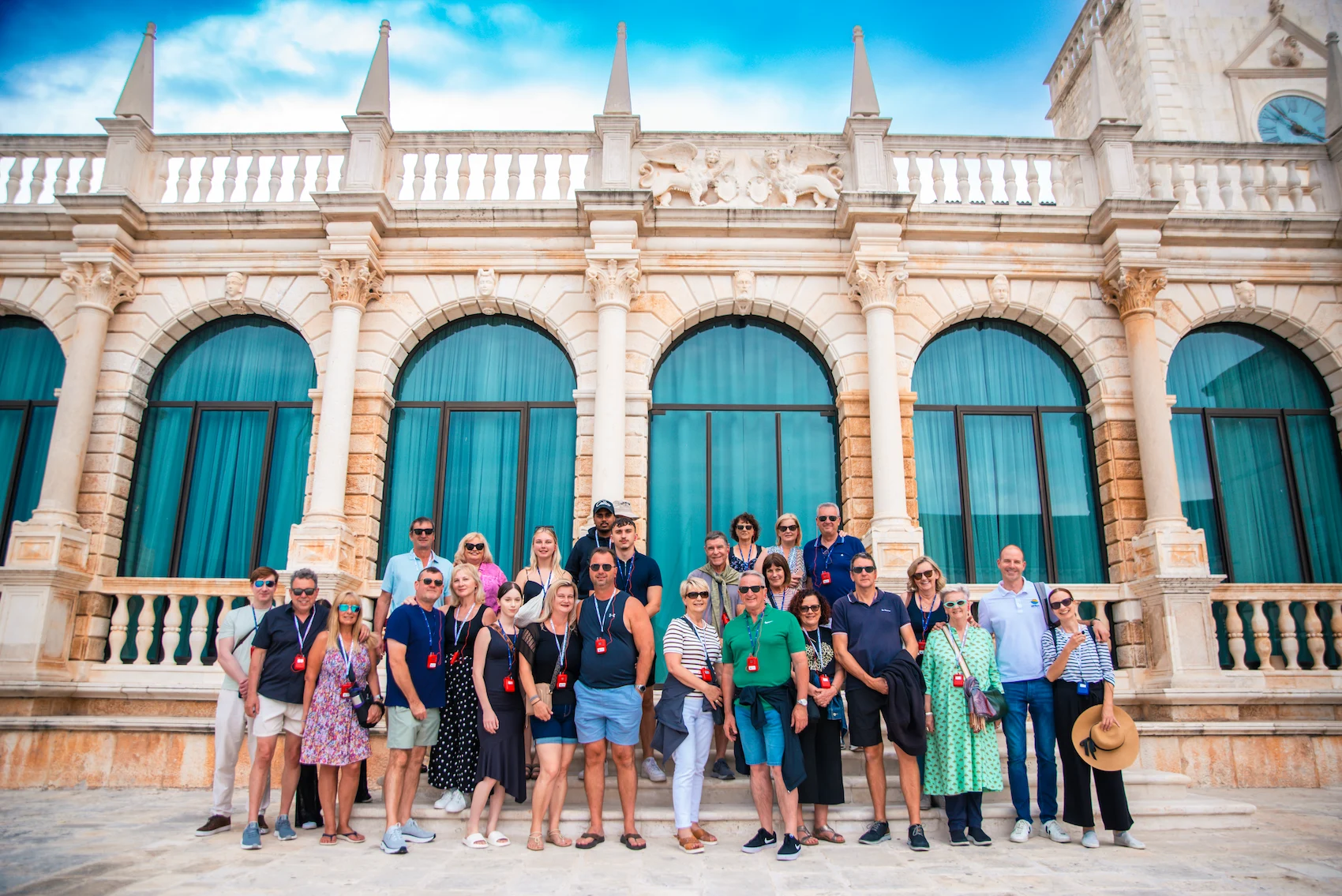
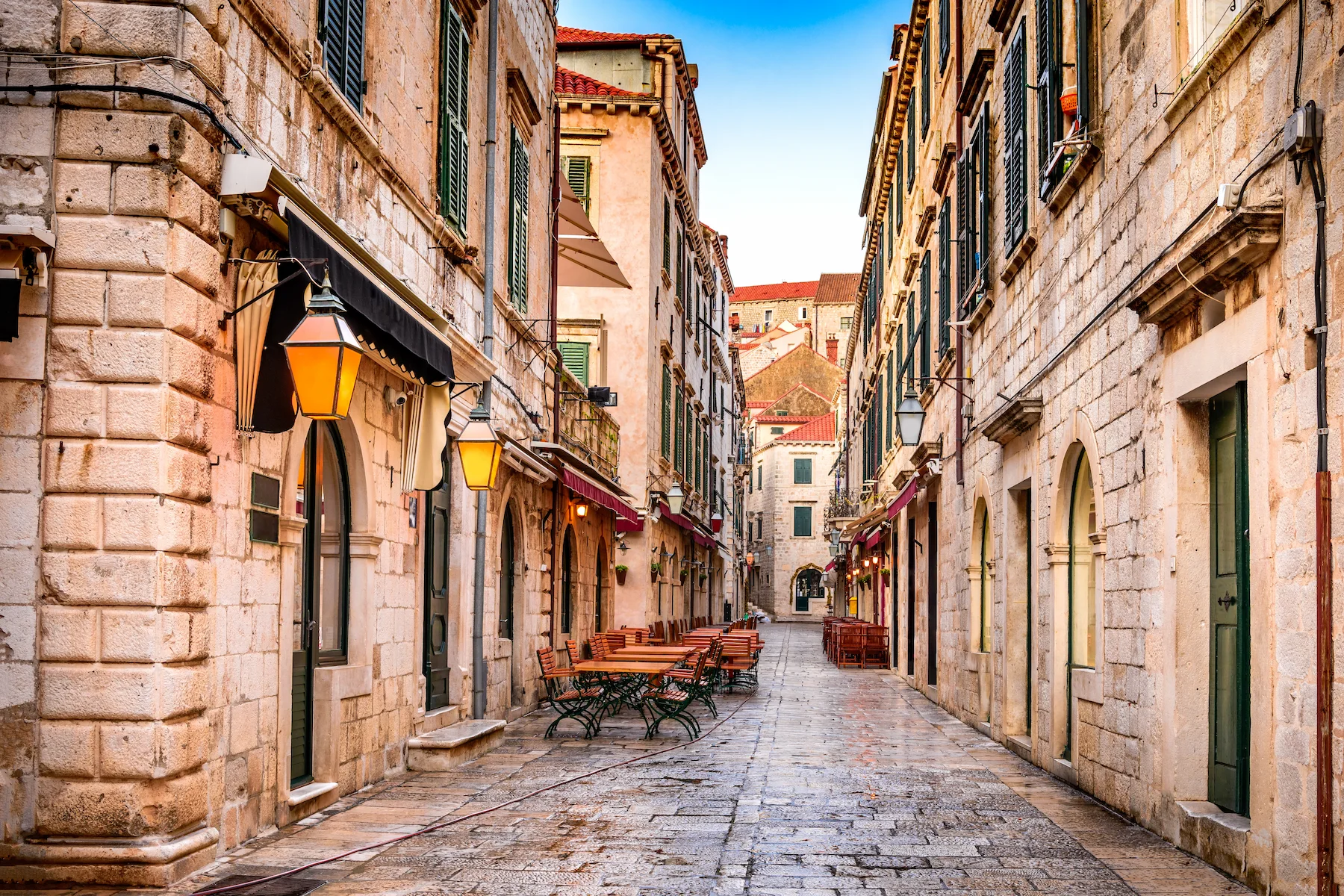
From historic cities to hidden inland gems, our land tours offer curated experiences that take you deeper into the culture, flavors, and landscapes of Croatia.

View all
Croatia luxury ship cruises!

Seven Day Luxury Cruise

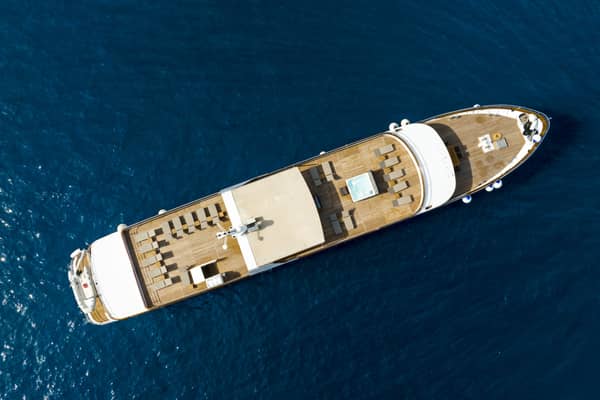
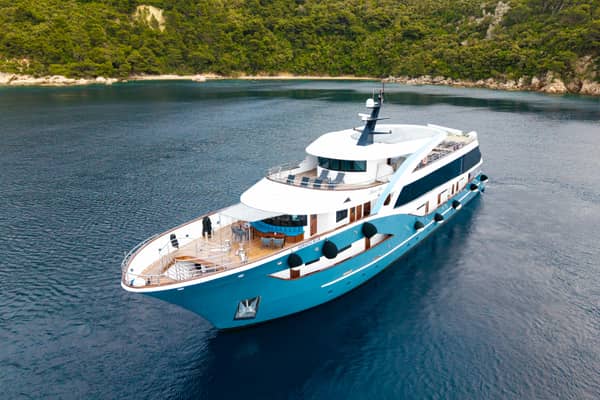
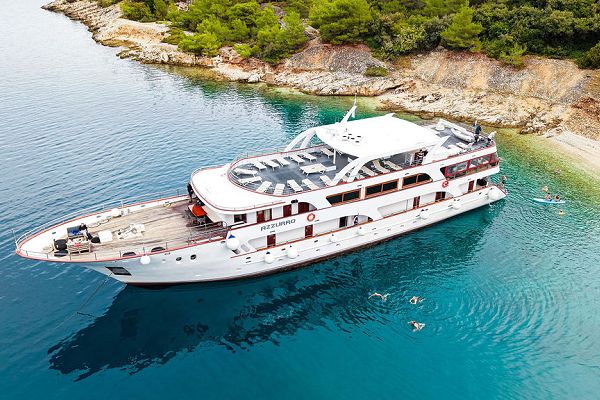
Discover Zantium Travel’s exclusive fleet! Our luxury and deluxe vessels offer unforgettable cruises along the Adriatic, ensuring a seamless blend of comfort, elegance, and adventure on the open sea.

Discover more
know before you go

Latest from our blog

Step aboard and feel the magic of our luxury cruises.
Watch the highlights from unforgettable journeys across the Adriatic.

Discover more
img

A Family Cruise in Croatia: One Boat, Three Generations

When it comes to multi-generational kicking back and relaxing for the summer, nothing beats a family cruise in Croatia. Picture it… Your boat anchors off the Pakleni Islands just before lunch, and by the time the plates are cleared, there’s nothing to do but relax. The kids splash about and explore the shallows while the parents and grandparents lounge on the sundeck, drinks in hand. Slow, experience-rich afternoons like this one are what a family cruise on the Adriatic is built around. You share a family meal, chat with a few fellow travelers, explore old harbor towns… and maybe glimpse another boat or two as you move towards your next harbor. Nobody is driving. Nobody is cooking. Tonight it’s Hvar, tomorrow Korčula, the day after is Mljet. And you’ve only unpacked once. It’s easy to picture a week like this… but it can be hard to book. That’s why we put together this guide that tells you how to plan a small boat Croatian vacation for your entire family, no matter how many people you count in it. Three Ways to Book a Family Cruise in Croatia Depending on the size of your group, there are three ways to book a family cruise in Croatia. One household, or several booking together, takes cabins on a scheduled small-ship departure, sharing their week with up to 36 guests in total.  But if you’re a big extended family, chartering the whole ship becomes an attractive option. That means that you have a say in the sailing itinerary and stops, with fixed first and last ports, and are consulted on the daily menus. Large groups benefit from this arrangement because they get to shape the experience so that everyone in the group gets something out of it. One householdSeveral householdsExtended familyHow you bookCabins on a scheduled departureA block of cabins on one departureThe whole shipHow it’s pricedPer person, from €1,890Per person, same faresBy the ship, from €50,000 a weekWho else is aboardOther guests, up to 36 in allOther guests share the rest of the shipOnly your groupRouteŠibenik to Dubrovnik or the reverse, Saturday to SaturdaySameShaped around your group ( first and last port pre-set)Meals on boardBreakfast daily, six lunches, two dinnersSameBreakfast and lunch daily plus a welcome dinner, menus set with youDatesPublished departuresOne departure for everyoneBy arrangementSettle firstWho sleeps whereWho pays, and enough cabinsDates and the guest list Croatian Family Cruise for One Household One household books cabins on a scheduled departure with Zantium Travel and shares the ship with other guests, up to 36 in all. Lower-deck cabins start at €1,890 per person. Grandparents and anyone who finds stairs hard should book main-deck cabins. We confirm cabin arrangements for children before you book. The one choice that really matters when you’re booking for a diverse group is the deck.  Main-deck cabins are on the boarding level, so you don’t climb any stairs to get to bed. The lower deck is always down a staircase, but it stays cooler and quieter, which suits parents and teenagers who don’t mind the steps. Judging from the reviews, our past guests agree: if you’re 55+ — or your knee is giving you trouble — the slightly higher main deck fare is money well spent. Teenagers get evenings of their own. Vis and Hvar are free nights in town, and Hvar’s nightlife is unrivaled on the Adriatic coast. Vacationing with toddlers? Children of all ages are welcome on our cruises, and we set no minimum age. However, kid’s clubs are not a feature on our boats. For a big family with small children, a private charter is the better fit: you can tailor the week toward the kids, with special tours and rentals like floating islands and trampolines. Decide in this order: Count heads, and note who needs the main deck. Pick a season. Pricing changes from low to high season. Ask how the children will sleep. The section on ages further down covers it. Choose from our small boat cruise departures in Croatia. Several Households Booking a Cabin Block Several households booking a block take cabins together on one scheduled departure, each paying the per-person fare. A family of twenty needs about ten cabins, more than half the ship, so decide on your departure date first and book early for the best cabins and rates. This is a reunion-shape vacation: siblings, their kids, the grandparents, and one person with strong organizational skills tasked with managing the spreadsheet. That organizer has two jobs: get everyone onto the same week, and settle who pays what before booking (have that conversation early). Once you’re aboard, it’s almost like an intimate house party on a ship. Our cruise manager briefs everyone on the day’s plan each morning after breakfast. On the four evenings ashore — Vis, Hvar, Korčula, and Slano — ask where to eat, and our cruise manager can recommend a place and help book a long table. Some households peel off for dinner and find each other again at a café on the harbor. Decide in this order: Name one organizer. Agree on the departure, and who pays what. Count the cabins (check main deck preference). Ask us whether your cabins can be together, and we’ll tell you what’s possible on your departure. There’s no minimum group size for a charter, so the whole ship is an option too, and we explain it below. With a strong headcount, booking the whole ship can easily turn into a more economical option. What Your Croatia Cruise Booking Covers On a scheduled departure, the fare covers your cabin, breakfast daily, six lunches and two dinners on board, guided walks in four towns, the Ston oyster tasting, the Blue Cave entrance fee, swim stops, and transfers on the first and last day. The dinners ashore are by design: your entire group gets to sample the rich culinary treats of several Croatian islands, each one different and unique, and you pick a place the kids will actually eat at. For every line of what the pricing includes, season by season, see what a Croatia cruise costs in 2027. The Extended Family on a Private Charter Zantium Travel guests during one of the guided town visits included in their cruise. A big extended family, often with friends along, can charter the whole ship. Only your group is aboard, the route and menus are shaped around you, and one contact handles everything from inquiry to embarkation. Charters start at €50,000 for the week, priced by the ship, with no minimum group size. These charters are a great choice for larger families, groups of friends, and multi-generational trips because everyone travels aboard the same ship while having their own private cabin. In this case, the week bends to your group: ports, swim stops, excursions, and the daily plan. Only the first and last ports are fixed. Menus are set with you, and a milestone dinner on board becomes the celebration that the whole week — and everyone on board — works toward. The charter includes the ship and crew, breakfast and lunch daily with a welcome dinner, daily housekeeping with a midweek linen change, and Wi-Fi. Airport transfers, excursions, and extra dinners are arranged on request. Decide in this order: Fix the dates with the core family. Confirm the guest list. Agree how the cost is split. Tell us who’s coming.  PLAN A PRIVATE CHARTER › The Zantium Sailing Route Stop by Stop Our sailing route runs Šibenik, Vis, Hvar, Korčula, Mljet, Slano, and Dubrovnik over eight days, or in reverse. Mljet and Korčula win over every generation, Hvar and Vis give your antsy teenagers a night on the town, and there are daily swim stops. Flying into Split early? Diocletian’s Palace and nearby Trogir make a brilliant bonus day, though neither is part of the cruise. For more on the islands, see our island-by-island guide. Šibenik We start the day with a guided walk of about an hour: from the harbor through the park to the UNESCO-listed Cathedral of St. James and its square, then into the old town core, with some history and a feel for everyday life in Šibenik. The city’s towering fortresses—St. Michael’s and St. Nicholas’ in particular—are a sight to behold and worth exploring if the time allows.  Vis Closed to foreigners from 1945 until 1989, Vis kept its villages as they were, and both teenagers and adults are fascinated by its military past. The Archaeological Museum is in an Austrian fort on the shore (check it’s open). From Vis, the whole family gets into a small boat to visit the Blue Cave on nearby Biševo island. Hvar On the way to Hvar, you get a few hours of swimming off the Pakleni Islands after lunch on board. Then a local guide walks you through Hvar town, and you get to plan your own evening entertainment. Teenagers make for the waterfront, which is buzzing by dark. Our recommendation? Book the whole family into the family-owned Hora estate on the UNESCO-listed Stari Grad Plain, for local wine and a traditional Dalmatian dinner. Korčula We start exploring Korčula after a swim stop and lunch on board. In the afternoon, a local guide walks you through the old town, which claims to be Marco Polo’s birthplace, with plenty of stories and legends along the way. Grown-ups love it because the old town is small, easy to walk, and full of restaurants. Dinner is ashore, so ask our cruise manager for a recommendation, and catch the Moreška sword dance if it’s on. Mljet Mljet National Park works for every age: two saltwater lakes for swimming and bikes to rent to get around them. Don’t forget to take a boat out and visit a 12th-century monastery, perched on its own little islet in the middle of one of the lakes. Park entry is extra (price list). Slano and Ston On the way to Slano, the ship stops for a swim in one of the bays along the coast. Then it’s on to Ston, whose medieval walls (built by Dubrovnik Republic in 1333) still stretch more than 5 km. A short boat ride takes everyone out to an oyster farm in the middle of the bay, where oysters have been farmed since Roman times. Of course, you get to sample the oysters and wine. If you’d rather skip the oysters, there are mussels cooked buzara style, prosciutto and cheese platters, marinated anchovies, and local olives and olive oil. Tell us about any allergies before you sail. Dubrovnik The Pearl of the Adriatic, Dubrovnik, is the last full day. A local guide walks you through the UNESCO-listed Old Town and down Stradun, its main street, and teenagers will know these streets as King’s Landing from Game of Thrones. The afternoon is free for gelato, souvenirs, or the city walls (tickets and hours). On the last morning, cabins are cleared by 9:00, and you can leave your luggage on board until your airport transfer. Ages, Kids’ Fares, and What to Ask Before You Book Ages, kids’ fares, and cabin setups vary between Croatia cruise lines. Some set a minimum age, some discount children’s fares, and some sell triple cabins. On our small ships there’s no minimum age, so children of every age are welcome aboard. We confirm the rest for your family before you book. Seeing Croatia with kids on a small ship goes smoothly when these are settled first: Child fares. Children under 3 sail free when they share a cabin with two adults. Children aged 3 to 12 pay 30% of the fare in a third bed, or 80% when they share a standard bed with one adult. These arrangements are subject to availability. A third bed in your cabin. An adult in a third bed pays 80% of the fare. Third beds are only in cabins equipped for them, and most ships have one or two triple cabins, so book early if you need one. Cots for babies. Cots are available, please ask for one in advance, when you book. Cabins side by side. Cabins can be booked next to each other, but none connect, and each has its own entrance. Life jackets. There’s one for every guest, with smaller vests for children. They’re for emergencies, not for swimming, so bring swim vests or floats for the youngest. Meals. Our chefs have cooked for gluten-free, vegetarian, and pescatarian guests. They take allergies and dietary needs into account, so tell us before you sail. Charters. A charter puts more of the week in your hands. There’s no fixed itinerary beyond the first and last ports, so you can choose different stops and shore experiences, and tailor the week toward the kids. Best Time for a Family Cruise in Croatia, and What to Pack The best time for a family cruise in Croatia is June to September for sea swimming, with July and August the busiest months. Fares follow three seasons, lowest in shoulder season and highest in July and August. For warm water and quieter harbors, look at June and September first. When Should We Go? School calendars usually decide a Croatia family holiday. If school breaks up earlier in your part of the world, then late June and early July are open to you, and you get to enjoy a family cruise in Croatia before the peak. Generally, families with school-aged children book their Adriatic holiday in July and August. For current sea temperatures, see Croatia’s national weather service. Most mornings we set sail while breakfast is served, so the day’s sailing starts before the kids are done eating. What Should We Pack? Water shoes, for pebbly beaches and the paths on Mljet. Plenty of sun protection. Shoes with grip. Dubrovnik’s limestone streets are beautiful and slippery. Some cash, for the bar tab and the port tax, both settled at the end of the week. FAQ: Family Cruises in Croatia Is Croatia suitable for families? Yes, Croatia is suitable for families, and a small-ship cruise is one of the easiest ways to take a Croatia family holiday together. The coast offers short hops between islands, daily swim stops, and old towns you explore on guided walks. Before booking a family cruise in Croatia, confirm the cabin arrangement for your children and anything the youngest will need. Which is the most family-friendly cruise? The most family-friendly cruise in Croatia depends on your children’s ages and the size of your group. Large ships offer kids’ clubs and pools. A small ship carrying up to 36 guests offers daily swim stops and guided walks in four towns, and a big extended family can charter the whole boat, with no minimum group size. Which Croatian island is best for a family vacation? The best Croatian islands for a family vacation are Korčula and Mljet, because both suit every age. Korčula’s old town is compact enough for grandparents to walk, and Mljet National Park has two saltwater lakes and a 12th-century monastery on an islet. Hvar is the pick for families with teenagers who want an evening in town. Which month is the best to cruise Croatia? The best months to cruise Croatia are June and September, when the water is warm and the harbors are quieter. The swimming season is June to September, and July and August are the busiest months. Cruise fares follow three seasons, lowest in shoulder season and highest in peak season.  Which cruise line is the best for Croatia? The best cruise line for Croatia is one that spends the whole week on the Croatian coast. Large ships usually call at one or two Croatian ports on a wider Mediterranean itinerary. Our small ships spend all seven nights in Croatia between Šibenik and Dubrovnik, with guided walking tours in four towns. The Last Night Aboard On the last evening, everyone is back on board, sunburned and arguing about which swim stop was best. That last dinner, with the whole family at the table, is what you’ll look back at with a smile… and while quietly planning your next adventure with Zantium Travel. At least, that’s what our returning guests tell us. That’s what a family cruise in Croatia is for: one boat, three generations. A week spent together making memories and exploring the Adriatic coast. Tell us how many of you there are and which week you’re thinking of, and we’ll work out the rest with you.  SPEAK WITH OUR TEAM ›
14 min
Read more
img

How Much Does a Croatia Cruise Cost? 2027 Prices, Broken Down by Cabin & Season

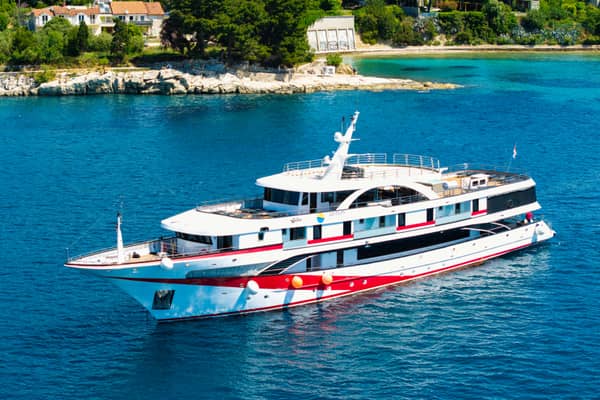
A Croatia cruise with Zantium Travel costs from €1,490 per person for seven nights on select (and limited) Season 1 lower-deck departures. Our standard lower-deck options start at €1,890. The fare covers your cabin, breakfast daily, six three-course lunches, two dinners on board, and guided walking tours in four towns. While it’s true that a high-season Adriatic cruise moves the price upward, the real price differentiator lies elsewhere: your choice of deck (lower, main, upper/sun-deck) and cabin (double, single, or balcony). Croatia cruise costs you’ll find online run the gamut from a few hundred euros to several thousand per person. That’s because they price different products: a large ship or a small one, a few Croatian ports or a full week on its coast, dinners included or left to you. Our Šibenik–Dubrovnik cruise pricing—with estimated extras—is broken down below. Croatia Cruise Cost for 2027, by Cabin and Season In 2027, our lowest price for a cruise in Croatia is €1,490 per person (Season 1, limited lower-deck departures). And it sells out fast. Our standard pricing ranges from €1,890 for a lower-deck cabin in Season 1 to €3,590 for a balcony cabin in Season 3. Single cabins cost €3,190 to €3,790. Every booking covers seven nights, Saturday to Saturday. CabinSeason 1Season 2Season 3Lower deck€1,890€2,190€2,390Main deck€2,490€2,690€2,890Upper and sun-deck cabins€2,790€2,990€3,190Balcony cabins (upper deck)€3,090€3,390€3,590Single cabin (main deck)€3,190€3,490€3,790 Standard 2027 fares per person, seven nights, Saturday to Saturday. Select Season 1 lower-deck departures from €1,490. Cruise prices vary by ship and departure—booking pages are up-to-date. The prices are shown in euros, but the booking pages let you switch them to US dollars for an at-a-glance comparison.  Season 1 is home to our lowest fares and Season 3 the highest, but seasons are set departure by departure: in 2027, a late-June week can cost more than one in mid-July. The itineraries show each date’s fare.  SEE SMALL BOAT CRUISE ITINERARIES › All Zantium fleet boats take up to 36 passengers, so your stay is genuinely exclusive and far removed from an overpacked large cruise experience. That said, balcony and single cabins are limited—balcony cabins sail on select Dubrovnik and Split departures, and single cabins are on one ship only. If single-cabin privacy or balcony access are a priority for you, check the itineraries below to see which departures include them before you settle on the dates. What Your Booking Includes, and What You Pay Ashore Zantium Alpha – small cruise ship at anchor in a quiet Adriatic bay. Your cruise fare includes an air-conditioned en-suite cabin, breakfast daily, six three-course lunches, two dinners on board, guided walking tours in Šibenik, Hvar, Korčula, and Dubrovnik, the Ston oyster tasting, the Blue Cave entrance, Wi-Fi, and transfers at each end. Port and residence tax, five dinners ashore, drinks, tips for the crew, Mljet National Park entry, and flights are paid separately. Included in the fare: Air-conditioned en-suite cabin, serviced daily Breakfast every morning and six three-course lunches on board Two dinners on board: the welcome dinner and the Captain’s Dinner Guided walking tours with local English-speaking guides in Šibenik, Hvar, Korčula, and Dubrovnik (audio sets provided) The Ston oyster experience: a boat out to the oyster farm, oysters, and wine Blue Cave entrance (subject to permitting weather conditions) Swim stops along the way, including Pakleni Islands Wi-Fi, drinking water, and fresh fruit on board Transfers on the first and last day, including the airport Paid separately: Port and residence tax, €85 per person per week, paid on board Five dinners ashore (averages out to €175 per person, roughly $200 / £150) Drinks from the bar, and coffee or tea outside breakfast Gratuities for the cruise manager and crew (optional) Mljet National Park entry (€20-30 as of 2026, depending on the month) Optional shore experiences (April–October), priced on enquiry: Hora Estate, Terra Arhaica, Stella Croatica, and Roki’s Vis Flights (yours to arrange) and travel insurance (highly recommended) We confirm current numbers for any departure when you get in touch. ON BOARD ANTARIS DELUXE BALCONY CRUISE SHIP Here’s what your fare buys on one of our ships. Antaris is 51 meters (167 feet) long, with a crew of eight and 19 cabins, each with its own bathroom and 11 with private balconies. On board: a sundeck, a pool, a bar, an outdoor lounge, a restaurant, a swim platform for the swim stops, and free Wi-Fi. In the cabins: air conditioning and heating, a safe, a wardrobe, a TV, toiletries, and a hairdryer. Sundeck aboard the Zantium Antaris small cruise ship on the Adriatic. We plan five of the seven dinners ashore, on purpose. On the Vis, Hvar, Korčula, Slano, and Dubrovnik evenings, the town is your dining room: a konoba up a side street, a table on the harbor—you get to experience the best of what that stop has to offer. Most time is free time, and dinner ashore is a big part of it. Your cruise manager will point you to a good restaurant. The visit to the Blue Cave, on the sail between Vis and Hvar, is something we plan for but can’t guarantee. Its entrance fee is covered, but the visit is the weather’s call—the cave is reached by small boat through an opening about 1.5 meters (5 feet) high, and the opportunity closes with bad weather. In October, closures can be expected, and how often depends on the waves and swell. What Changes the Price: Cabin Deck First, Season Second What changes the cruise price most is your cabin’s deck, then the season. On our 2027 cruises, moving from a lower-deck to a main-deck cabin adds €600 per person in the same week, and a balcony cabin adds €1,200. Sailing the same lower-deck cabin in Season 3 instead of Season 1 adds €500. The usual cost advice for Croatia says the same thing: sail in the shoulder season to save. For our fares, the season matters… but what matters more is the deck. Take a lower-deck cabin in Season 1 at €1,890. One step up in deck costs more than the whole swing from our lowest season to our highest, and the gap widens as you climb: upper and sun-deck cabins add €900, and a balcony adds €1,200. The other levers that move the price of our Croatia cruises: Season. The same cabin rises €400 to €600 from Season 1 to Season 3, depending on the deck. Traveling alone. Dedicated single cabins start at €3,190 in Season 1. They’re all on one ship, so ask us which departures give you an opportunity to book a single cabin. Traveling with children. Children under 3 sail free when they share a cabin with two adults. Children aged 3 to 12 pay 30% of the fare in a third bed, or 80% when they share a standard bed with one adult. Third-bed fares depend on availability and apply only in cabins equipped for a third guest. Booking timing. Earlier bookings get first pick of cabins and rates, which matters most for balcony and single cabins as those are the ones that sell out the fastest. The same is true for triple cabins: most ships have only one or two. Groups. A full-boat private charter is priced by the ship, from €50,000 for the week. Big families celebrating milestones and groups of friends often take the whole boat and plan their own week, with only the first and last ports fixed. For how large families book, check out our post on family cruises in Croatia. Croatia Cruise Cost: A Real Seven-Night Example Aerial view of Šibenik Old Town and the UNESCO-listed St. James Cathedral. A realistic Croatia cruise cost for two starts at €3,130: €2,980 in fares on a select Season 1 lower-deck departure plus €180 port and residence tax, paid on board. At the standard lower-deck fare it is €3,930. Dinners ashore and daytime drinks add about €455 (roughly $520 / £390) on 2026 averages, and flights come on top. Here’s a week for two in a lower-deck cabin, split into the cost that’s fixed and the cost that depends on your choice of restaurants and optional extras: ItemFixed or estimateAmount for twoCruise fareFixed€2,980 on a select Season 1 departure, or €3,780 at the standard lower-deck farePort and residence taxFixed€170, settled on boardFive dinners ashoreEstimateabout €350 (roughly $400 / £300)Daytime drinks ashoreEstimateabout €175 (roughly $200 / £150)Bar tab on boardVariesYour choiceGratuitiesVariesYour choiceOptional shore experiencesVariesOn enquiryFlightsVariesDepends on where you fly fromTravel insuranceVariesDepends on your policy The two estimates use 2026 restaurant averages for Split and Dubrovnik: about €70 for a mid-range, three-course dinner for two without drinks, and about €25 a day (roughly $29 / £21) for a basket of two coffees plus four beers or soft drinks for the pair.  Those are averages, not ceilings. It’s what most of our guests report—a decent meal for a decent price. That said, a harbor-front table in Hvar or Korčula in high season can come in near the top of the range, more in high-end restaurants. Bring euros in cash. You’ll need them for two things: the port and residence tax, and the bar tab, which is settled at the end of the week. How to Compare Croatia Cruise Prices Like for Like To compare Croatia cruise prices like for like, check five things beyond the headline fare: how many nights you spend along the Croatian coast, how many dinners are included, whether port or residence tax is extra, whether town tours are guided (and included in the price), and how you get from the airport to the ship. Here’s how the price compares across three ways to spend a week on the Adriatic coast (flight fares are excluded): Zantium small-ship cruiseLarge cruise shipPrivate crewed yacht (20 m)Price€1,490–€3,790 per personFrom about €1,800 per person (11 nights)€38,000 (low season) to €70,000 (high season) per boat, or €3,800–€7,000 each for tenTime in Croatia7 nightsAbout 2 port days7 nightsPrice includesCabin, most meals, 4 guided tours, local airport transferCabin, mealsBoat, crew, chef, food and fuelBudget extra for€85 tax, 5 dinners ashore, drinksDrinks, most tours, tipsTourist tax, tips Examples from 2026–2027 prices. Large ship: an 11-night Mediterranean itinerary calling at Split and Dubrovnik. Yacht: a week from Split, low and high season. Nights along the Croatian coast. Large-line Croatia sailings typically begin outside the country, for example from Ravenna, Rome, Athens, or Barcelona, so check the line’s own itinerary for how many nights you actually spend in Croatia. With us, all seven nights are along the Croatian coast. Dinners in the fare. Count the dinners a fare includes, then price the rest. With us, two dinners are on board and five are ashore by design, and the example above gives you an estimate for those five. Port and residence tax. Check whether the headline fare includes it or adds it later. Ours is €85 per person for the week, stated up front and paid on board. Town tours. Check whether guided tours are included in the fare or sold as extras. Ours include four guided town tours and the Ston oyster tasting. Airport to ship. Check who gets you from the airport to the ship and back, and at what cost. Ours covers transfers on the first and last day. If you’re weighing ferries or a bareboat charter instead, our guide to island hopping in Croatia prices those out. For a reasonable answer about what you’re expected to spend on a Croatian cruise, tally up these five things on the list above. Our small boat cruise along the Croatian coast gives a straight answer to each, on a ship with fewer than forty guests that stays overnight in every port. With a group that size, the week is a cozy affair, and by day three you know everyone’s name. Croatia Cruise Cost FAQs How much does a cruise to Croatia cost? A seven-night small-ship cruise along the Croatian coast costs from €1,490 per person with us on select Season 1 lower-deck departures, and standard 2027 fares range from €1,890 to €3,790 depending on cabin and season. Large-ship Mediterranean cruises that call in Croatia are built differently, so compare nights in Croatia and meals included alongside the headline fare. How much would a 7 day cruise in Croatia cost? A seven-night cruise in Croatia with us costs about €1,830 per person on a select Season 1 lower-deck departure, or about €2,230 at the standard lower-deck fare, once the fare, the €85 port and residence tax, five dinners ashore, and daytime drinks are counted on 2026 averages. Flights, gratuities, the bar tab, and optional shore experiences come on top. What is the best time of year to cruise Croatia? The best time of year to cruise Croatia depends on whether the lowest fare or a particular week matters more to you. Our 2027 fares are lowest on Season 1 departures and highest on Season 3, and in any week a weather-dependent stop such as the Blue Cave can close in high waves. Which cruise line is best for Croatia? It depends on how much of the week you want to spend in Croatia. Large ships usually call at a few Croatian ports on itineraries that also visit other countries, while a small ship like ours spends all seven nights along the Croatian coast, stays overnight in each port, and carries fewer than forty guests. How much does a 7-day sailing trip to Croatia cost? A 7-day sailing vacation in Croatia is priced either per person or per boat. A small-ship cruise like ours is priced per person, from €1,490 on select Season 1 departures, with most meals and guided tours included. A 30-foot sailing yacht charters for about €2,000–€3,000 a week, plus marinas, fuel, and a skipper if you don’t sail yourself, while a 20 m crewed catamaran for ten costs €38,000–€70,000 a week, depending on the season. When You’re Ready to Book, Give Us a Shout The fares above are the 2027 Croatia cruise cost on our ships, broken down by season, deck, and cabin type. When you decide on those three, reach out to us and we’ll get back to you with a full estimate, with current figures for the tax, the shore experiences, and anything else on your list.  SPEAK WITH OUR TEAM ›
12 min
Read more
img

The Best Places to Swim in Croatia: 9 Spots Best Reached by Boat

The best places to swim in Croatia are island coves and warm saltwater lakes, and four stand out. Stiniva (Vis), a pebble cove behind a cliff gate you swim through. The Pakleni Islands (off Hvar), a chain of pine islets with swimming bays in the channels. Mljet’s two saltwater lakes, warm and set inside a national park. Zlatni Rat (Brač), a pebble spit that changes shape with the wind. Every one of these swim spots is ‘stunning’: the waters are ‘crystal-clear’ and the views are ‘breath-taking’… and that’s exactly why we won’t be harping on about it in this guide to best swimming in Croatia. What we will focus on is how you get to each one of them, water access (do you need to pack your water shoes or not), and what to expect when it comes to water temperature and amenities. Let’s dig in. Best Swimming Spots in Croatia: The Short Answer The list below covers some of Dalmatia’s most popular swimming spots — beaches, coves, and saltwater lakes. Some of these are impossible to reach by land and your best chance of getting to them is island hopping or booking a Croatian small boat cruise. SpotIsland / AreaHow You Get in the WaterStinivaVisAnchor outside and swim the gate, or a steep footpath downThe Pakleni Islandsoff HvarSwim stop off the boat, or a taxi boat from HvarDubovicaHvarSteep footpath from the road, or by boatZlatni RatBol, BračWalk from Bol, or a taxi boatBadijaoff KorčulaTaxi boat from Korčula townSakarunDugi OtokFerry to the island plus a transfer, or by boatŠunjLopud (Elaphiti)Ferry to Lopud, then walk or golf-cart acrossVeliko & Malo JezeroMljetPark entrance, then walk or bike to the lakesThe Dead SeaLokrumBoat from Dubrovnik, then a short walk Croatia’s Swim-Worthy Island Coves and Beaches These seven coves and beaches run roughly north to south down the coast from Split. We’ve visited each and every one several times, from both land and sea, and here’s what you need to know about access, what to pack, and the tourist traps to avoid. Stiniva, Vis The cove everyone comes to Vis for is on the island’s south coast, closed off behind two cliffs that nearly meet. There’s no road in. Most people anchor outside the gap and swim the last stretch through it. The only land route is a steep footpath down from the hamlet of Žužec, about twenty minutes on loose stone… but then you have to climb back in the heat. The small pebble shelf is full of visitors by mid-morning in July and August, and the excursion boats descend on it from late morning on, so come early or come by sea. (The Blue Cave lies just off Vis on Biševo, but you can’t swim inside it, so Stiniva is where you actually get in the water.) Access: Boat, because you have to sail to Vis first. Once you’re there, the land route is available but steep — not for the flat-footed, and no shade on the climb back. Water: A pebble shelf that slopes in gently, then drops off past the cliff gate. Clear enough to read the seabed twenty meters down, and the enclosed, south-facing cove warms fast, into the mid-20s°C (mid-70s°F) through July and August. Sea urchins shelter in the rock slabs near the cliff base, so pack water shoes. Be aware: From late morning in season the speedboats pack in. There’s a rope marking the swimmers’ side of the water, but not every skipper respects it, so keep your bearings. One small cabin bar for a cold drink, cash only, and that’s the extent of it: no showers, little shade until the afternoon sun drops behind the cliffs. The Pakleni Islands, off Hvar This low chain of pine-covered islets lies just across the water from Hvar Town, with swimming bays at Palmižana and in the channels between them. This is one of the Adriatic’s most popular swimming spots, and it’s where we drop anchor on our run down this coast — the platform goes down off the stern and the water’s clear enough to pick out the seabed ten or fifteen meters below. Here you have to be careful with the timing. Early afternoon is busy — charter boats roam the channels, and excursion ships bring shuttle tourists in droves. The swimming at the Pakleni Islands is best in the early morning, especially in high season. Access: A short taxi boat from Hvar Town harbor runs across through the season, or your own boat if you have one, which is the only way to reach the quieter bays past Palmižana. Water: Sheltered and clear, visibility over fifteen meters, with easy depths in the main bays that suit beginners. Summer temperature is in the mid-20s°C (mid-70s°F). The entries are rock and pebble, not sand, and there are urchins on the rocks, so wear water shoes to avoid prickly surprises. Be aware: Palmižana is developed — beach clubs, sun loungers, and peak-season prices to match — and it fills with boats anchored close to the swimming. If you’re snorkeling, stay near the shore and don’t cut across the open channel. The boat traffic is the real hazard here. Dubovica, Hvar Dubovica, a horseshoe of pale pebbles on Hvar’s south shore, is a protected cove opening up under an old stone farmhouse. It’s a short drive east of Hvar Town and one of those swimming places in Croatia you’ll be glad you made time for. It gets crowded in peak season, but it’s still way less crowded than Hvar’s staples. If you’re on a Croatian island hopping tour and you land on Hvar, carve out an early morning for this beach. Access: Park on the road above (spaces are informal and fill early) and walk down a steep, unpaved path, about ten minutes down and a longer climb back in the heat. In high summer a water taxi from Hvar Town is the easier way in. Water: A pebble entry, clear and calm, with rocks along the sides that snorkel well. The bottom is stone, so water shoes are not critical, but you still might want to pack them. Summer temperatures reach the mid-20s°C (mid-70s°F). Be aware: There’s a konoba and a beach bar for lunch and a cold drink, but no loungers to rent and little shade, so bring your own cover. The parking fills by mid-morning in season, as does the beach. Zlatni Rat, Bol (Brač) You’ve seen Zlatni Rat in every photograph of Croatia: the pale pebble spit that runs off Bol and curls at the tip, shifting east or west with the wind. It’s the rare famous one you don’t need a boat for, and the most crowded swim on this list. Zlatni Rat is best for day-trippers, and if you’re going, make sure you’re there early morning to catch the loungers and avoid the afternoon NW maestral wind. Access: A twenty-five-minute walk from Bol along a pine-shaded promenade, or a short taxi boat from the harbor. In peak season a little tourist train takes the same route. Water: Clear and deeper than it looks, dropping off quickly past the pebbles. The stones are hard on bare feet, so water shoes help. One side of the horn catches the afternoon wind and the other stays calm, so pick your side. Summer runs mid-20s°C (mid-70s°F). Be aware: Everything here costs money, and not a little: sunbeds, umbrellas, parking, even the showers. By late morning in July and August the beach is wall-to-wall, and afternoon boat traffic is dense. Badija, off Korčula Badija is a pine-covered islet a short taxi-boat hop east of Korčula town, with a Franciscan monastery, a colony of tame deer, and pebble coves along the shore path. You reach it on your own from Korčula, where the taxi boats run through the season. Access: Taxi boats leave from Korčula’s east harbor through the season. Check the return times before you go — the afternoon pickups can be limited, and there’s no other way back. Water: Calm and clear, with pebble and rock entries and sea urchins on the stones, so foot protection is a must. The best swimming is a pebble beach a ten-minute walk past the monastery café. Summer temperatures reach the mid-20s°C (mid-70s°F). Be aware: One café by the monastery, cash only and closing by early evening, and nothing else, so bring water and shade. In high summer the wasps and flies gather around the bins and the food. The deer are tame, but there’s a no-feeding sign, so admire them and leave them be. Sakarun, Dugi Otok Sakarun is that rare thing in Dalmatia, a genuinely sandy bay, shallow and warm, up toward the northern end of the coast on Dugi Otok. It’s well off our route, so this is one for a longer independent trip. Access: By sea, you can anchor off the beach. By land, it’s a ferry to Dugi Otok and a transfer across the island by taxi or bus — a real haul from the southern islands. Water: Fine sand and shallow water that stays waist-deep a long way out, gentle for children and easy for a float. The sandy bottom means fewer fish for snorkeling. Summer temperatures reach the mid-20s°C (mid-70s°F). Be aware: This one divides people, so set your expectations. Seagrass washes up and isn’t cleared early in the season, the facilities are limited to a couple of seasonal bars and basic toilets, and day boats crowd the bay by midday. Parking is paid, shade is thin, and the payoff is the sand and the shallows, not the amenities. Come early. Šunj, Lopud (Elaphiti) Šunj is another sandy one — a wide, shallow bay on car-free Lopud, one of the Elaphiti islands off Dubrovnik. Neighboring Koločep has its own coves and sea caves if you want to pair them and hit two of the best swimming beaches in Croatia in a single day. Access: Take the ferry from Dubrovnik to Lopud, then cross to Šunj on foot (twenty to thirty minutes, uphill in the sun) or by one of the seasonal golf-cart taxis, since no cars run here. Water: Fine sand, and water so shallow you wade fifty meters or more before it’s deep enough to swim. It’s ideal for children… but a slog if you just want to dive in. Clear and warm, mid-20s°C (mid-70s°F) in summer, with a few rocky edges where water shoes help. Be aware: The beach is small and fills at midday when the ferries and day boats land, so towel space goes fast. There’s little natural shade on the sand and the walk over is a sweat in high summer, so bring cover and go early. Beach bars and sunbed rentals run in peak season, and a section at the west end is naturist. Croatia’s Saltwater Lakes Two of the best swims on this list aren’t in the open sea at all. They’re saltwater lakes: one set inside a national park, the other on a boat-only island off Dubrovnik. Veliko & Malo Jezero, Mljet Mljet’s two saltwater lakes, the Big and the Small Lake, hold warm, calm water inside a pine-forest national park. This one is on our route: when we call at Pomena, the park is a short walk or bike from the dock, and the day is yours to swim, ride the shaded loop, and take the park boat to the monastery islet of St. Mary. Access: Enter at Pomena or Polače and walk or bike to the lakes. Riding up from the ferry port is an uphill haul. Water: Warmer and calmer than the open sea in summer, clear, with sand-and-pebble entries. Mind the currents at the channels between the lakes. Be aware: Park entry is paid and (and we don’t  include it in our cruise packages), so bring cash or card — € 30.00 as of August, 2206. Current fees and hours are on the park’s official site, and you can buy a ticket online as well. The island restaurant is pricey, so pack a lunch. The Dead Sea, Lokrum Lokrum, ten minutes by boat off Dubrovnik’s Old Port, holds a small saltwater lake the locals call Mrtvo more, the Dead Sea. It’s saltier than the open water, so you float without trying. It isn’t on our route, but an easy hop on your own. Access: A boat from the Old Port, then a ten-minute walk through the pines to the lake. It’s a paid reserve, and the ticket covers the boat. Prices and boat times are on the reserve’s official site. Water: Calm, warm, and salty enough that floating is effortless. The edges are rock, so water shoes help, and there are anemones that sting, so watch where you settle. Be aware: Day trips only, and everyone leaves on the last boat in the early evening. The lake is busy by midday, so come early or late, and bring water since the café is limited. What a Swim Stop Looks Like From a Small Ship On a small ship, the swim stop isn’t a scramble for a spot on a crowded beach. The captain picks a bay, we drop anchor, and the swim platform folds down off the stern. Fewer than forty guests share the water. The Pakleni Islands are the case in point. Day boats out of Hvar reach them by late morning. A small ship is at anchor while the channels are quiet, and moves on before the crowd builds. The boats are built for it: air-conditioned cabins, a sundeck, a restaurant and bar, free Wi-Fi, and a swim platform on every one. Prices start at €1,890 per person in the early season. With so few people aboard, a week feels like a house party at sea, and by the third day you know everyone’s name. Most of the time in between is yours. That’s what our small boat cruises in Croatia are built around. See the itineraries Swimming in Croatia: Timing, Safety, and What to Pack A few practical notes before you pack a swimsuit and a pair of water shoes. Sea temperature. The Adriatic is comfortable to swim from early June, around 21–22°C (low 70s°F), peaks in late July and August at roughly 24–26°C (mid-70s°F), and holds near 20°C (upper 60s°F) into early October. The southern islands stay warmest longest. Can you swim in October? Usually yes, early in the month, and the crowds are long gone by then. Pack water shoes. Most of these spots are pebble and rock, which is exactly why the water is so clear: no sand to cloud it. The trade is that the entries are hard on bare feet, and there are sea urchins on the rocks at Stiniva, Badija, and Lokrum. Water shoes solve both. Look before you step. Urchins cluster in the rocky shallows, and the clear water makes them easy to spot if you’re watching for them. The water is buoyant. The Adriatic runs saltier than most seas, so swimming is easy and floating easier, most of all in Lokrum’s Dead Sea. FAQ: The Best Places to Swim in Croatia Where are the best places to swim in Croatia? The best places to swim in Croatia are island coves and saltwater lakes, most of them reached more easily by boat than by land. The standouts are Stiniva (Vis), the Pakleni Islands (off Hvar), Mljet’s saltwater lakes, and Zlatni Rat (Brač). Is it safe to swim in the ocean in Croatia? Swimming in the sea in Croatia is generally safe. The Adriatic is calm, clear, and buoyant, with no strong tides and few hazards. The two things to watch for are sea urchins on rocky entries, which water shoes handle, and boat traffic in busy bays in July and August, which a morning swim sidesteps. Where is the clearest water in Croatia? The clearest water in Croatia is around the outer islands: Vis and its coves, the Pakleni Islands, and Dugi Otok. The pebble-and-rock seabeds there keep sediment down, so the water stays clear. What part of Croatia has the best beaches? Dalmatia has Croatia’s best beaches. The Makarska Riviera has pebble strands like Punta Rata at Brela, Brač has Zlatni Rat, and the islands south of Split are full of coves, with rare sandy exceptions at Šunj on Lopud and Sakarun on Dugi Otok. Are beaches nicer in Split or Dubrovnik? Both Split and Dubrovnik have good beaches, and which is nicer depends on what you want. The Split side puts more island coves within reach, on Brač, Hvar, and Vis, while the Dubrovnik side has Banje beach below the city walls, Lokrum, and the Elaphiti islands. A cruise along the Šibenik–Dubrovnik coast gets you close to both. Can you swim in the Blue Cave in Croatia? No, you cannot swim in the Blue Cave in Croatia. Swimming inside the Blue Cave (Modra špilja) on Biševo is prohibited, and it’s a protected site in the Vis Archipelago UNESCO Geopark that you enter only by licensed boat for a short visit. For a swim nearby, head to Biševo’s Porat beach or to Stiniva on Vis. If you’d rather have the timing and the itinerary handled for you, that’s our job. Speak with our team.
15 min
Read more

Get 5% discount
on your first booking!

Please note that special offers and/or discounts can not be combined. Highest discount will be applied. By clicking on the “Subscribe” field, you confirm that you are familiar with and agree with our Privacy policy. You can unsubscribe from our newsletter at any time.